UBA UK Strengthens Ties Across Francophone West Africa
A Continent-Wide Commitment, Reaffirmed
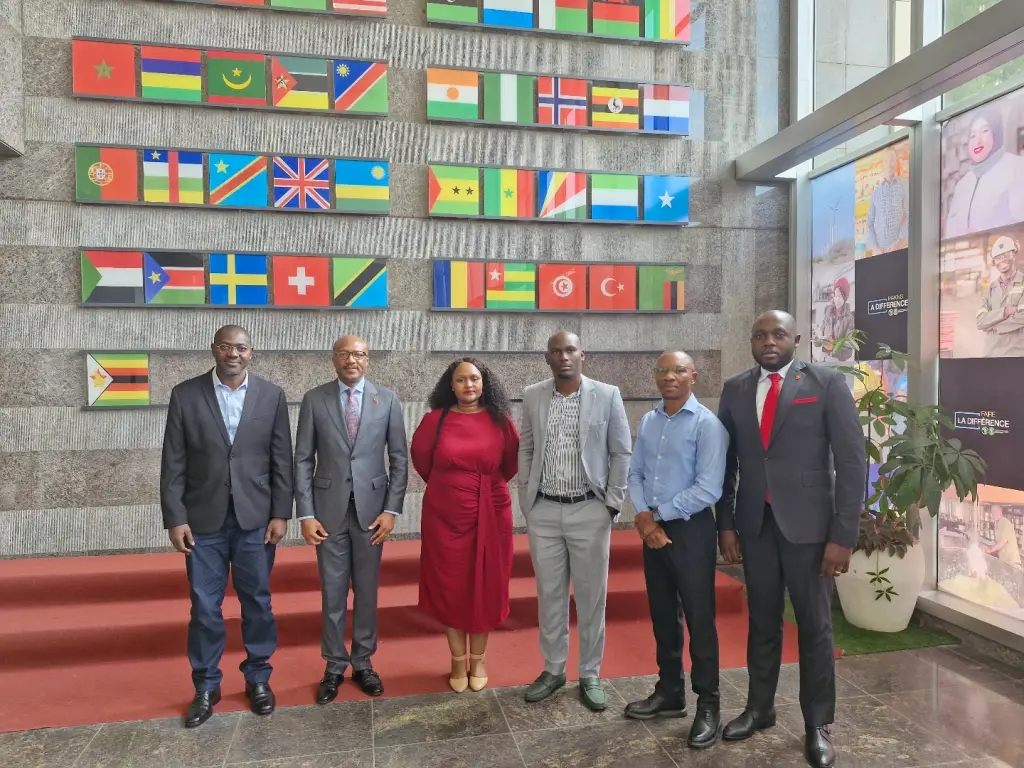
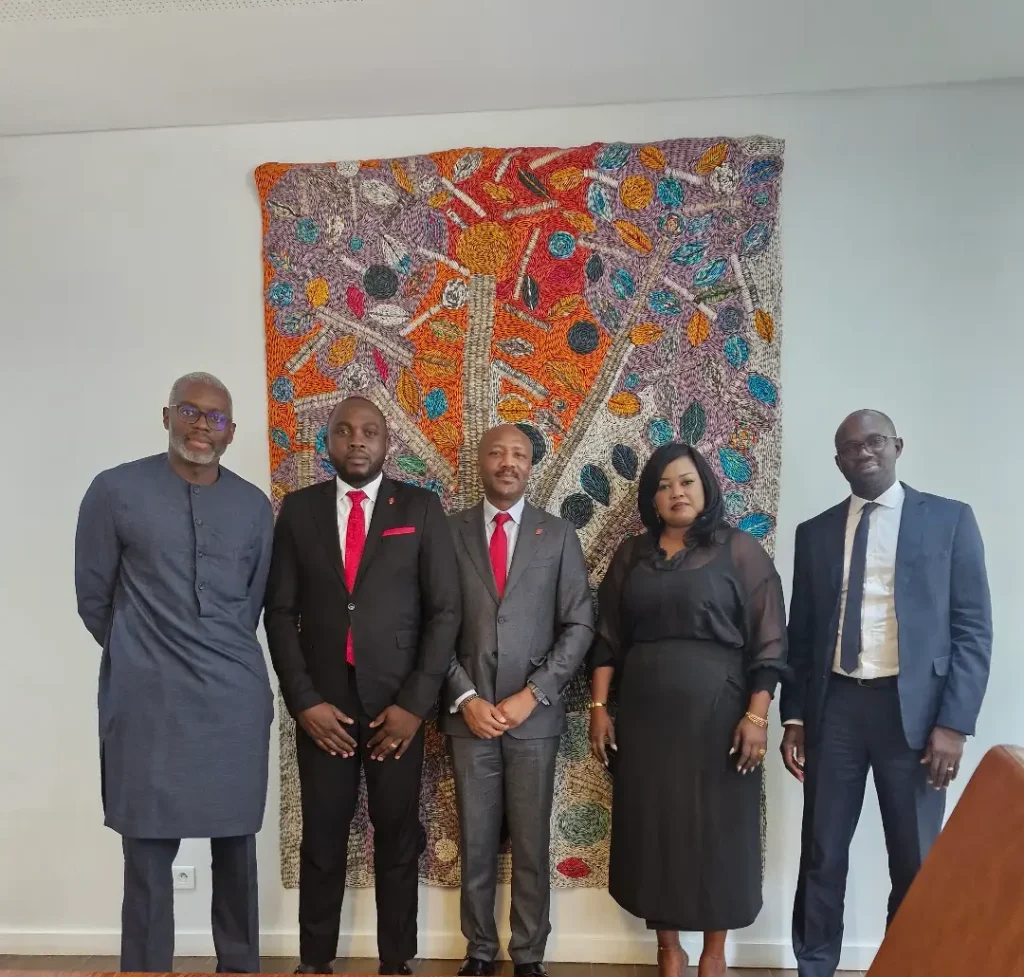
UBA UK’s business development team recently completed a strategic visit across five Francophone African markets: Côte d’Ivoire, Senegal, Burkina Faso, Benin and Cameroon. The trip forms part of a broader, continent-wide effort to deepen relationships with the banks, institutions and corporates that connect African economies to global trade and capital flows.
For UBA UK, Francophone Africa represents both a natural extension of the Group’s pan-African footprint and a market with distinct characteristics of its own – a shared currency union across much of the region, closely integrated regional institutions, and economies that are growing faster than many of their global peers. The visit reaffirmed the scale of opportunity for UBA UK to expand its footprint in Treasury, foreign exchange, correspondent banking and trade finance across the region.
Engaging the Market at Scale
Over the course of the visit, the team held around 40 meetings with banks, development finance institutions, corporates and sovereign counterparts, alongside colleagues from UBA’s own network of entities across the region. This breadth of engagement reflects the depth of relationships UBA UK is building with the institutions that shape trade and investment flows into and out of Francophone Africa.
Discussions with development finance institutions, including the West African Development Bank (BOAD), the African Development Bank (AfDB) and African Trade & Investment Development Insurance (ATIDI), underlined the important role that DFIs continue to play in de-risking trade and mobilising capital for the region’s growth. The team also engaged senior officials within finance ministries in Senegal and Benin, reflecting UBA UK’s ambition to support the region at both institutional and sovereign level.
What the Market is Telling Us
A consistent theme across markets was strong demand for enhanced foreign exchange capability – from access to trading platforms and competitive pricing, to deeper liquidity and more efficient cross-border payments. Trade finance demand also remains robust, with institutions across the region seeking greater flexibility in how
facilities are structured and collateralised, including a growing openness to using local sovereign instruments as security.
Money market opportunities exist, but regulatory requirements around the prompt repatriation of foreign exchange proceeds continue to shape how much scale and tenor is realistically achievable in the near term – a reminder that regional regulatory context remains central to how international banks structure their offering in Francophone Africa.
A Region Organised Around Regional Hubs
One of the clearest structural takeaways from the visit is that many of the institutions UBA UK is engaging with operate on a regional, rather than purely national, basis. Growth in Francophone Africa will therefore depend increasingly on coordinated engagement at regional headquarters level, rather than a country-by-country approach – a dynamic that plays to UBA’s own footprint of over 20 African countries and its ability to convene relationships across borders.
This regional dynamic sits against a genuinely encouraging macroeconomic backdrop. The economies of the West African Economic and Monetary Union (UEMOA) – which include Côte d’Ivoire, Senegal, Burkina Faso and Benin – grew by an estimated 6.1 per cent in the year to the first quarter of 2026, among the fastest rates on the continent, supported by strong performance across extractives, manufacturing and agriculture. More broadly, West Africa’s economy is projected to expand by between 4.4 and 4.7 per cent in 2026, with continued investment in infrastructure and energy underpinning that momentum. For banks positioned to support cross-border trade and investment, this is a region with real and growing relevance.
UBA UK’s Next Chapter in Francophone Africa
Building on this visit, UBA UK is focused on strengthening its foreign exchange and trade finance capability for the region, broadening the range of collateral structures available to clients, and deepening engagement with regional institutions so that relationships built in one market can unlock opportunities across several.
As Francophone Africa’s economies continue to outpace much of the global economy, UBA UK’s ambition is clear: to be the bank of choice for organisations trading into and out of Africa, combining deep on-the-ground presence across the continent with the international infrastructure and expertise needed to move capital efficiently and reliably across borders.
To learn more about UBA UK’s correspondent banking, trade finance and treasury services, or explore opportunities with us, please get in touch with our team at businessdevelopment@ubauk.com
Source: BCEAO; African Development Bank, 2026 African Economic Outlook
 UK
UK Nigeria
 Benin
Benin Burkina Faso
 Cameroon
 Tchad
Tchad
 RDC
RDC Cote d'ivoire
 Gabon
Gabon Ghana
Ghana Guinea
 Kenya
Kenya Liberia
 Moçambique
 Senegal
 Sierra Leone
 Tanzania
 Uganda
 Zambia
 France
 America
 Mali
Mali UAE
UAE France